Daily Holiday Font Review
As a small business owner, I've always believed that the right font can transform a simple design into something memorable. Recently, I was tasked with updating a bakery's packaging and realized that the existing typeface wasn't doing the brand justice. That's when I discovered Daily Holiday—a festive and happy typeface that perfectly captures the spirit of the holiday season.
What Is Daily Holiday?
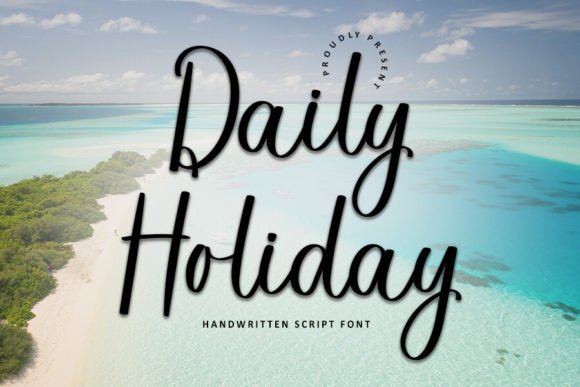
Daily Holiday is a script-style font that brings a sense of warmth and celebration to any design. Its decorative elements and unique flair make it ideal for adding a touch of charm to your branding. Whether you're designing product labels, social media graphics, or website banners, this font has the personality to stand out without overwhelming the eye.
Its visual character feels like a handwritten note from a friend—friendly, inviting, and full of life. It's perfect for businesses looking to create a more approachable and joyful brand identity, especially during the holidays or for seasonal promotions.
Real-World Use Cases
I tested Daily Holiday on several real-life projects, starting with a candle seller who wanted to refresh their jar labels. The font added a whimsical touch that made the products feel more personal and thoughtful. It worked equally well on a café’s menu redesign, where it brought a fresh, modern edge to the headings while keeping the body text readable with a complementary sans serif.
For a skincare brand, I used Daily Holiday on product labels to highlight key ingredients and benefits. The font's elegance paired well with clean, minimalist designs, creating a balance between creativity and professionalism. On Instagram templates, it helped draw attention to promotional messages without distracting from the overall aesthetic.
One of the most effective uses was on a boutique's product tags. The font gave each item a personalized feel, making customers feel like they were receiving a special gift rather than just buying a product.
When to Use Daily Holiday
Daily Holiday shines as a display font—perfect for headlines, logos, packaging titles, and decorative accents. It's not meant for long blocks of text, but when used strategically, it can elevate the entire visual identity of a brand.
For example, using it in a logo design gives a business an instant sense of personality and charm. On product packaging, it adds a festive flair that stands out on store shelves. In social media graphics, it helps catch the eye in a crowded feed.
However, it's important to use it sparingly. Overusing it can make a design feel cluttered or unprofessional. A good rule of thumb is to pair it with a clean, easy-to-read font for body text or supporting elements.
Design Tips and Best Practices
When working with small labels or printed packaging, keep the font size large enough to ensure readability. On mobile screens or social media thumbnails, avoid using it for body text—stick to short phrases or titles instead.
For digital ads and website banners, use Daily Holiday to highlight key messages or calls to action. It adds a friendly tone that can help build trust with customers. Just be mindful of contrast—dark text on a light background works best for maximum legibility.
Pairing Daily Holiday with a modern sans serif or elegant serif font can create a balanced and professional look. For example, pairing it with a clean sans serif like Open Sans or a classic serif like Georgia can add depth and sophistication to your designs.
Font Details and Licensing
Before using any font in a commercial project, it's important to check the included styles, file formats, and licensing terms. Daily Holiday likely comes in multiple weights or variations, which can give you more flexibility in your designs.
It's also worth checking if it includes alternates, ligatures, or multilingual support, especially if your business serves a diverse audience. These features can make a big difference in how the font looks and functions across different languages and scripts.
As a creative consultant, I always recommend testing fonts on actual materials before finalizing a design. Print samples, digital mockups, and client feedback can all help determine if a font is the right fit for your brand.