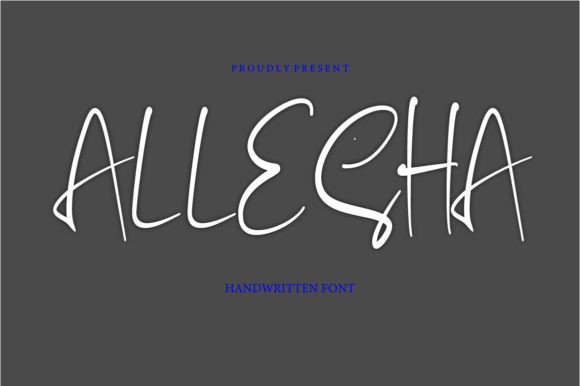
Allesha: A Handwritten Font for Editorial Design
In the world of editorial design, typography plays a crucial role in shaping the visual tone and reader experience. Allesha, a creative font from Script Amp, stands out with its handwritten style that brings warmth, personality, and a modern feel to any publication. Whether you're crafting blog headers, magazine covers, or printable guides, Allesha offers an elegant yet approachable aesthetic that can elevate your content’s visual impact.
Handwritten Charm Meets Editorial Clarity
Allesha is more than just a script font—it’s a typeface designed with editorial use in mind. Its organic flow and soft curves give it a natural, expressive look without sacrificing legibility at larger sizes. This makes it ideal for headlines, chapter openers, and other display text where a balance between creativity and clarity is essential.
The personality of Allesha leans toward sophistication with a personal touch. It avoids the overly ornate characteristics often found in traditional script fonts, which can make them difficult to read or inappropriate for certain contexts. Instead, it features subtle variations in stroke weight and spacing that maintain a professional appearance while still feeling handcrafted.
Using Allesha in Blog Headers and Magazine Covers
One of the most effective ways to use Allesha is as a headline font on blogs or digital magazines. The unique character of this premium font helps draw attention and sets the mood for the content that follows. For instance, a lifestyle blog might pair Allesha with a clean sans serif body font to create contrast and guide the reader through the article layout.
Magazine designers can also leverage Allesha for cover titles, especially when aiming for a contemporary or artisanal vibe. Its versatility allows it to scale well across various formats—from high-resolution print to mobile screens—ensuring consistency in brand identity regardless of the platform.
Creating Visual Hierarchy and Reader Engagement
Typography is one of the primary tools for building visual hierarchy in publications. With Allesha, you can emphasize key sections like pull quotes, section headings, or lead magnets with ease. The font's readability at medium to large sizes means it won’t strain the eye but will instead enhance the flow of information by directing attention naturally.
Its presence can help establish a mood—be it romantic, inspirational, or simply stylish—making it a valuable asset for branding and content marketing. When used strategically, Allesha supports a stronger editorial voice and keeps readers visually engaged with the structure of the page.
Practical Applications Across Content Formats
Allesha is not limited to just one kind of publication. Here are some real-world examples of how it can be integrated into different types of content:
- Lifestyle Blogs: Use Allesha for post titles and feature headers to add a human touch to your design assets.
- Recipe Ebooks: Apply it to chapter openers or section headings, giving your cookbook a cozy and inviting visual tone.
- Wedding Guides: Incorporate Allesha into quote graphics or decorative headings to reflect elegance and personalization.
- Coaching Workbooks: Highlight key takeaways or motivational statements using this display font for better emphasis and reader retention.
- Digital Magazines: Pair Allesha with a structured serif font for body copy to differentiate editorial elements effectively.
- Printable Planners: Use it sparingly for accent typography, such as weekly headers or goal-setting prompts, to keep the design fresh and engaging.
- Creator Newsletters: Add a signature-style heading or branded tagline with Allesha to reinforce your content’s unique identity.
Readability Considerations for Different Platforms
When choosing a font for publishing work, it's important to consider how it performs across platforms. Allesha excels in screen reading environments due to its clear forms and even spacing. On PDF exports, it maintains its integrity, making it suitable for downloadable content like worksheets or guides. In mobile layouts, its larger size options ensure it remains legible and impactful without compromising the overall design.
If you're printing materials such as magazines or brochures, Allesha’s subtle texture and fluidity translate well to paper, adding a tactile appeal that enhances the reader’s connection to the content.
Font Pairing and Brand Consistency
Pairing Allesha with complementary fonts is key to achieving a cohesive design. As a display font, it works best alongside a readable serif or sans serif typeface for body text. For example, pairing it with a classic serif like Georgia or Merriweather can create a timeless editorial look, while a minimalist sans serif like Helvetica Neue or Lato adds a modern contrast.
For captions, navigation menus, or call-to-action buttons, consider using a neutral sans serif font to balance Allesha’s expressive nature. This ensures that while the display text commands attention, the supporting typography doesn’t distract from the message.
Exploring Included Styles and Multilingual Support
Many premium fonts come with multiple weights, alternates, and ligatures to offer greater flexibility. While details about Allesha’s included styles may vary depending on the source, it's worth checking what options are available to maximize its potential in your projects. If you're designing for a global audience, confirm whether Allesha includes multilingual support to ensure it meets your needs across different languages and regions.
Commercial Licensing and Practical Use
For bloggers and content creators who sell ebooks, templates, or digital downloads, commercial licensing is a vital consideration. Allesha should ideally come with a license that permits use in client projects, paid newsletters, and lead magnets. Always verify the terms before using it in revenue-generating materials to avoid legal issues later on.
This makes it particularly useful for independent publishers and digital product creators looking to build their brand identity with consistent, high-quality design elements. From logo design to social media graphics, Allesha can serve as a foundational part of your creative toolkit.
Why Allesha Belongs in Your Typography Palette
Allesha isn't just another script font; it's a versatile typeface that bridges the gap between artistic flair and editorial functionality. Its modern typography lends itself well to both digital and print environments, offering a fresh alternative to overused display fonts.
By integrating Allesha into your workflow, you can create a more distinctive visual language for your content. It supports the emotional tone of your message while maintaining the professionalism needed for credible publishing. Whether you're working on a wedding planner, a course outline, or a newsletter template, Allesha provides a unique typographic solution that stands out without shouting.
Beyond the Basics: Advanced Editorial Uses
Consider using Allesha for more than just standard headings. It can be applied to:
- Accent typography in infographics or sidebars.
- Pull quotes that highlight key insights or testimonials.
- Subtle background textures or watermarks in printable content.
- Custom illustrations or packaging design for digital products.
Maintaining Balance in Design
Editorial design thrives on balance. While Allesha brings a dynamic energy to your layouts, it's important to complement it with structured elements. Think about how the font interacts with margins, line breaks, and white space. A well-placed Allesha headline followed by a solid block of body text can create a rhythm that guides the reader smoothly through the material.
Use it to break up dense paragraphs or introduce new sections. This helps in establishing a clear visual path, improving the user experience, and reinforcing your publication’s identity.
Conclusion
Allesha is a standout addition to any designer’s or publisher’s collection. Its blend of handwritten charm and editorial usability makes it a powerful tool for creating visually compelling and professionally structured content. Whether you’re working on web design, social media graphics, or print-ready publications, this font has the adaptability to meet your needs.
As you explore your next project, consider how Allesha can contribute to your brand identity and design strategy. By thoughtfully incorporating it into your work, you’ll not only enhance the aesthetics of your publications but also strengthen the connection between your content and your audience.